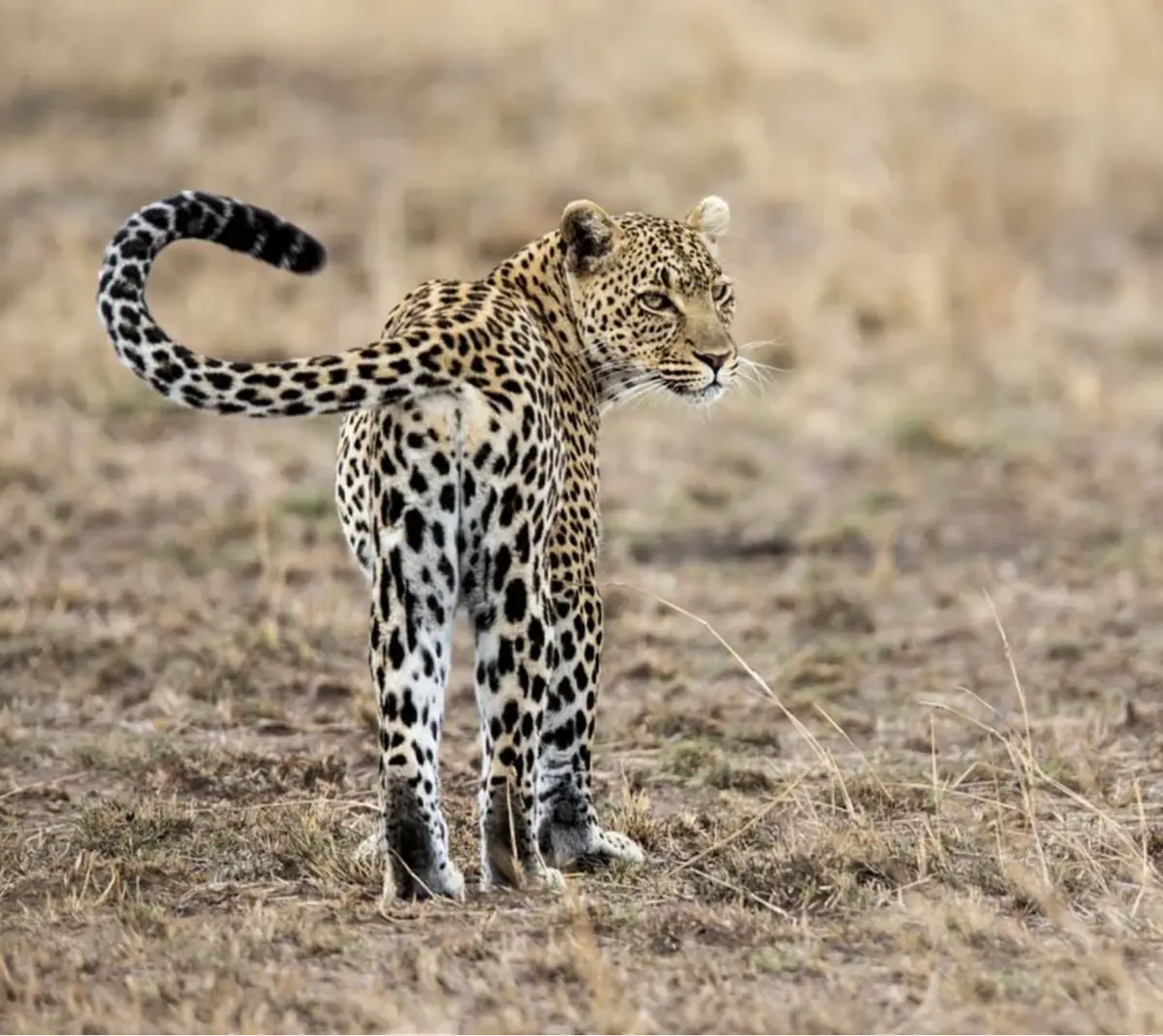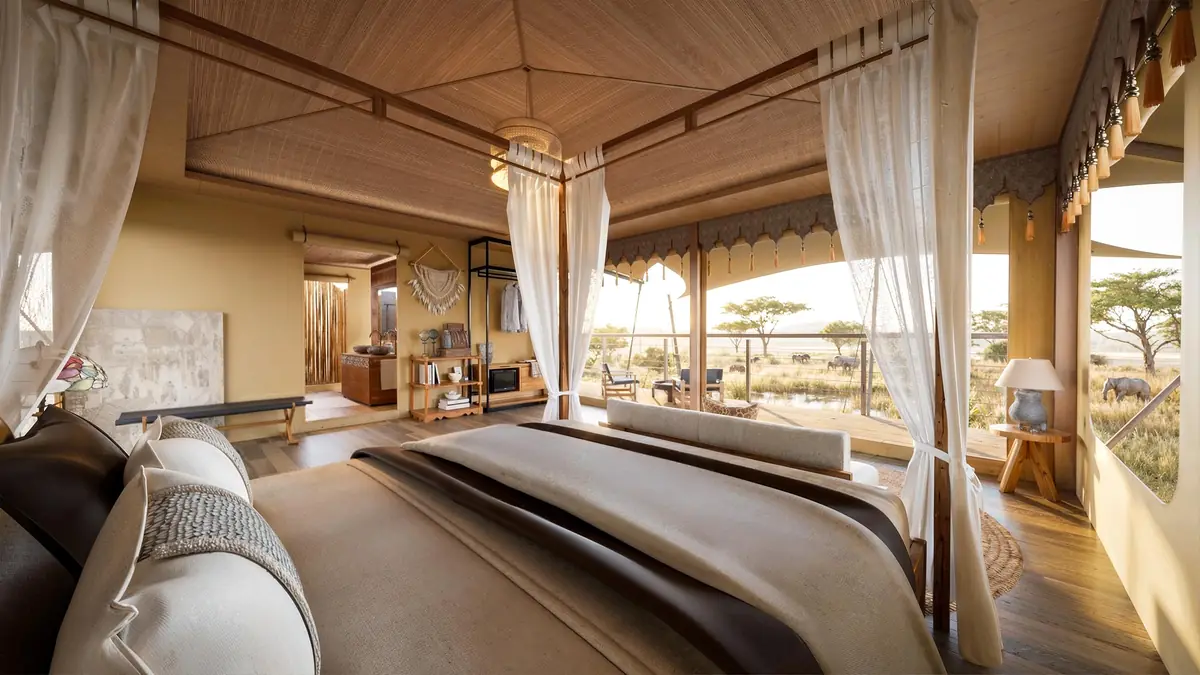

The first sign is usually the sound — a low, restless grunting that rolls across the plains long before the herds come into view. Then the horizon starts to move.
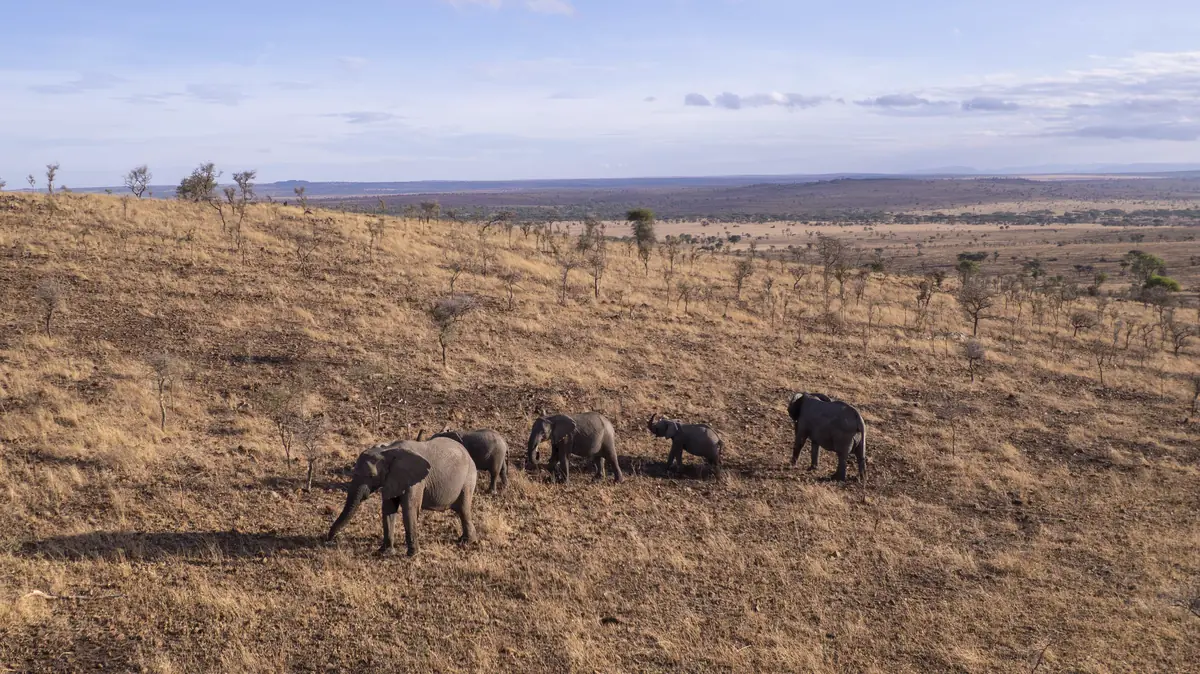
Every year more than a million wildebeest, joined by hundreds of thousands of zebra and gazelle, travel a great loop through the Serengeti ecosystem. There is no start or finish. The herds simply follow the rain to fresh grass, and the predators follow the herds. Because the rains shift from year to year, so does the timing — which is exactly why it helps to understand the pattern before you choose your dates.
December to March: calving in the south
When the short rains arrive, the herds settle on the short-grass plains of the southern Serengeti. From around late January into March, hundreds of thousands of calves are born within a few weeks. It is one of the most remarkable wildlife events anywhere, and the concentration of young animals draws lions, cheetahs and hyenas.
April to June: the long walk north
As the plains dry out after the long rains, the herds begin moving north and west, often passing through the central Serengeti in long columns. This is the season when the migration can be closest to Central Serengeti camps — though it is also the wettest, greenest and quietest time of year.
July to October: the river crossings
By mid-year the herds reach the northern Serengeti and Kenya’s Masai Mara. The famous Mara River crossings happen in these months. Game drives in the north are busy, and the herds are far from the centre of the park.
November: the return south
With the short rains, the herds turn south again, moving back through the eastern and central Serengeti towards the calving grounds.
Seeing the migration from Escape
Escape Luxury Lodge sits in the wooded hills of the Nyabogati sector in Central Serengeti. The herds pass through the central Serengeti on their journey north and again on their return, so the months on either side of the long rains can be especially rewarding. The migration can never be guaranteed — but Central Serengeti has resident wildlife all year round, so a quiet month here is still full of lion, leopard, elephant and giraffe.
Plan around the rains rather than a calendar date, and give yourself at least three nights. The herds keep their own schedule.
Our team can help you pick dates — see our seasonal rates or check availability.
Questions & answers
When is the best month to see the Great Migration?
It depends on what you want to see: calving in the southern Serengeti from about late January to March, the herds moving through the central Serengeti around April to June and again in November, and the Mara River crossings from about July to October.
Does the migration pass Central Serengeti?
Yes — the herds usually move through the central Serengeti on their way north after the long rains and again on their return south with the short rains. Exact timing varies each year.
Is the migration guaranteed?
No. The herds follow the rain, which changes year to year. Central Serengeti has resident wildlife all year, so there is always plenty to see.